One Blessed Foster Mom T-Shirt Design Review
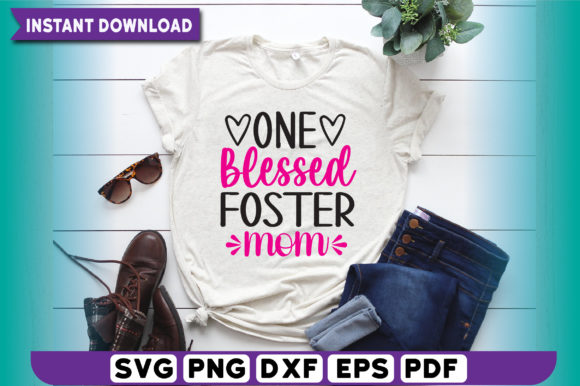
As a professional embroidery digitizer and product reviewer, I approach every new machine embroidery design with a critical eye. When evaluating the One Blessed Foster Mom T Shirt Design, my first thought is not just about aesthetics, but about how this graphic translates from screen to fabric. Foster care is a deeply personal journey, and merchandise supporting foster moms carries significant emotional weight. This design needs to honor that sentiment while performing technically on various substrates. While originally marketed as a cutting file for vinyl applications, adapting this layout for needle and thread requires understanding its structural integrity, visual balance, and suitability for different embroidery project types.
Translating Vector Graphics to Stitch
The initial impression of this artwork is clean and heartfelt. The typography suggests a modern, approachable mood that avoids looking overly clinical or dated. However, because the product description identifies this primarily as an instant download cutting file compatible with machines like Cricut and Silhouette, crafters must verify if a dedicated embroidery file version is included or if they are attempting to auto-digitize a vector graphic. Auto-digitizing text-heavy designs often results in poor stitch paths and excessive jump stitches. For a professional finish, especially on custom apparel, I strongly recommend using a manually digitized version where the lettering has been assigned proper satin stitch columns rather than converted fills.
If you are working from the original graphic to create your own digitization, pay close attention to the serifs and curves. Thin lines that look elegant on screen can disappear or cause thread breaks when stitched. You may need to slightly thicken the font elements to accommodate stitch density requirements without creating bulletproof patches of thread. The phrase "One Blessed" typically sits above "Foster Mom," creating a natural hierarchy. In embroidery, maintaining this spacing is vital; if the letters are too close, the fabric can pucker between lines, ruining the drape of a soft t-shirt or sweatshirt.
Real-World Application: The Sweatshirt Test
To truly evaluate this design, I mentally placed it on a heavyweight cotton fleece sweatshirt, a staple item for Etsy seller inventories targeting foster parents. Sweatshirts have a textured surface that can swallow fine details. In this scenario, the One Blessed Foster Mom T Shirt Design performs best when sized appropriately—likely 4x6 inches or larger for chest placement. Smaller sizes risk losing legibility against the fleece nap.
For this specific application, I would utilize a cutaway stabilizer to prevent distortion during stitching. The design’s sentimental value makes it perfect for holiday embroidery gifts or "gotcha day" commemorations. When stitching on fleece, consider adding a water-soluble topping to keep the stitches crisp and visible above the fabric texture. Without this step, even a beautifully digitized file can look muddy. From a business perspective, this design on a high-quality sweatshirt offers excellent perceived value. It transforms a basic garment into a meaningful personalized gift that acknowledges the unique role of foster motherhood, distinguishing your handmade product from generic retail options.
Navigating Fabric Challenges and Hoop Sizes
Versatility is key for any design assets library, but this specific artwork demands careful substrate selection. While labeled for t-shirts, lightweight jersey knits are notoriously difficult for text-heavy embroidery. If you plan to use this on thin baby clothes or lightweight tees, you must adjust your expectations and technique. Use a lightweight mesh cutaway stabilizer and perhaps a layer of fusible backing to add stability without bulk. Always test on scrap fabric first; what works on a stable tote bag will fail on stretchy spandex blends.
I advise caution when applying this design to curved surfaces like caps. Unless the artwork has been specifically redigitized for cap hoops with center-out sequencing, the horizontal spread of "Foster Mom" may distort at the edges. Similarly, be wary of placing this design over seams or pockets. The transition from single-layer fabric to double-layer fabric causes tension issues that can misalign registration marks. For tote bag design projects, canvas provides an ideal stable base, allowing for higher stitch counts and more intricate detailing if desired. Conversely, for baby embroidery items like bibs or onesies, simplify the design by removing decorative flourishes to reduce stitch count and irritation against sensitive skin.
Commercial Viability and Brand Consistency
For those running a craft business or boutique, consistency builds trust. This design has strong potential for brand recognition within the foster care niche, provided the execution remains uniform across products. If you offer this as part of a collection, ensure the thread colors remain consistent. A warm gray or soft gold might convey elegance, while bright primary colors could signal a children’s focus. Document your thread colors and stabilizer choices so that repeat orders match perfectly.
When creating listings, use accurate printable mockup images that reflect the actual stitched texture rather than just the digital file. Customers appreciate seeing how the finished product drapes and how the sheen of the thread interacts with the fabric. This transparency reduces returns and increases buyer confidence. Furthermore, always verify licensing. Just because a file is an instant download does not automatically grant commercial rights for selling physical embroidered goods or reselling the digital embroidery file. Clarifying these terms protects your business and respects the original artist’s intellectual property.
Technical Checklist Before Stitching
Before committing this design to a final commercial embroidery run or a cherished gift, walk through this practical checklist:
- Verify File Format: Ensure you have a true embroidery format (PES, DST, JEF, etc.) and not just a vector cutting file unless you possess digitizing software and skills.
- Check Dimensions: Confirm the design fits your intended hoop size with adequate margin for hoop burn prevention.
- Assess Text Legibility: Zoom in to 100% view in your software. Any satin column under 1mm may need widening to prevent needle damage or thread shredding.
- Test Contrast: Stitch out a sample on both light and dark fabrics. White thread on white fabric looks embossed and subtle; white thread on navy pops but requires dense coverage to prevent fabric show-through.
- Evaluate Washability: If making kitchen towels or aprons, ensure the design isn't too dense, which can trap moisture and lead to mildew or fabric tearing during industrial laundering.
- Review Licensing: Double-check if the license covers small shop product sales, digital resale, or modification rights.
Final Thoughts on Design Integrity
The One Blessed Foster Mom T Shirt Design holds immense potential for makers who understand the intersection of emotion and technique. It is more than just a graphic; it is a statement of identity for a specific community. As designers and embroiderers, our job is to ensure the technical execution honors that message. Whether you are creating a embroidered patch for a denim jacket, a nursery pillow, or a fundraiser shirt, success lies in respecting the limitations of the medium. By prioritizing proper stabilization, appropriate sizing, and ethical sourcing, you transform a simple digital download into a lasting, professional-quality tribute that customers will cherish. Always remember that in embroidery, the best design is one that survives the wash cycle looking as good as it did coming off the machine.